

Entertainment & Media Law
Protecting Creative Careers, Commercial Opportunities, and Personal Brands

Talent & Influencer Representation
Legal Support for Talents, Influencers, Creators, and Public Figures
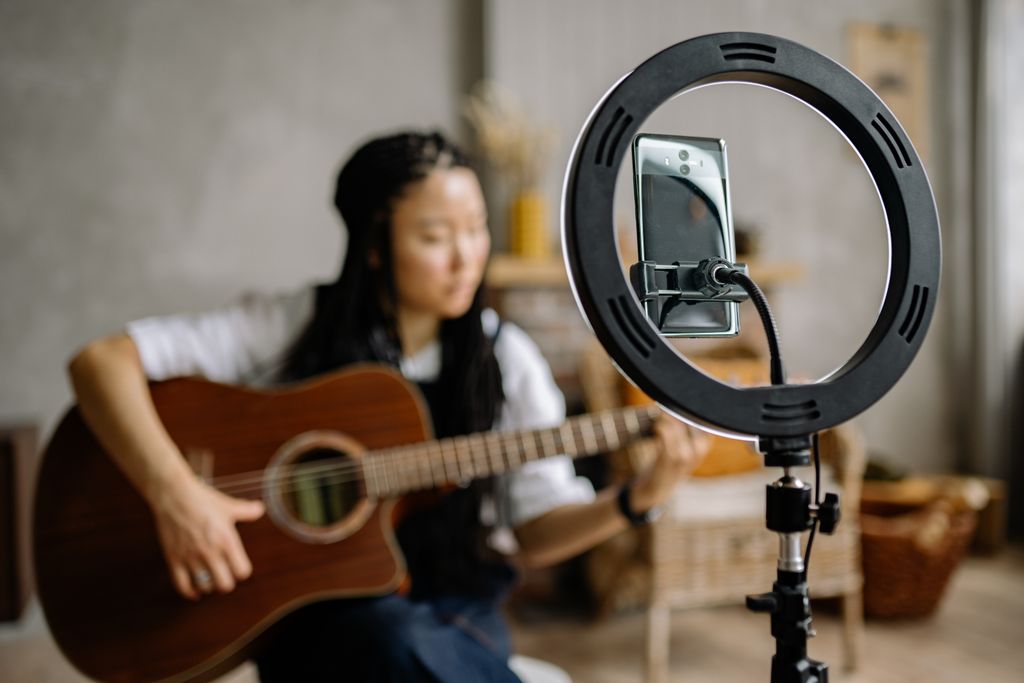
The creator economy has transformed the way individuals build careers, connect with audiences, and collaborate with brands. Influencers, artists, content creators, presenters, athletes, and other public figures now operate as both creative professionals and commercial brands.
As opportunities grow, so do the legal and commercial risks. Collaboration agreements may involve content ownership, image rights, exclusivity, advertising obligations, payment structures, performance requirements, and long-term content usage. Without clear contractual terms, talents and creators may unintentionally give away important rights or accept obligations that extend far beyond the original campaign.
At Thames Legal, we advise talents, influencers, content creators, artists, agencies, and brands on contracts, negotiations, intellectual property rights, and commercial arrangements within the entertainment and digital media industries.
What we offer
Our Services Include
Influencer and Brand Collaboration Agreements
Preparation and review of agreements between influencers, creators, brands, agencies, and campaign partners, including deliverables, timelines, payment terms, approval processes, and content usage rights.
Talent and Artist Agreements
Legal advice on agreements involving artists, presenters, performers, athletes, public figures, and other talents participating in commercial, media, or entertainment projects.
Talent Management and Representation Agreements
Review and preparation of agreements between talents and management agencies, including commission structures, exclusivity obligations, management responsibilities, contract duration, and termination rights.
Sponsorship and Brand Ambassador Agreements
Advice on short-term and long-term sponsorship arrangements, ambassador appointments, promotional obligations, exclusivity provisions, and brand conduct requirements.
Image, Name, and Likeness Rights
Advice on the commercial use of a talent’s image, name, voice, appearance, identity, and personal brand across advertising, digital platforms, events, and promotional materials.
Content Licensing and Usage Rights
Assistance with defining how created content may be used, edited, reproduced, promoted, sublicensed, or reused by brands and agencies.
Contract Negotiation Support
Legal support during commercial negotiations to help talents, creators, agencies, and brands reach practical and commercially balanced arrangements.
Key Issues Commonly Addressed
Talent and influencer agreements commonly address matters such as:
- Content deliverables
- Posting platforms and publication dates
- Content approval procedures
- Fees and payment schedules
- Exclusivity periods
- Competitor restrictions
- Content ownership
- Intellectual property rights
- Image, name, and likeness usage
- Paid media and advertising rights
- Content reuse and licensing periods
- Editing and adaptation rights
- Campaign extensions
- Performance metrics
- Cancellation and postponement
- Morality and conduct clauses
- Confidentiality obligations
- Termination rights
- Liability and indemnity
- Dispute resolution procedures
These terms should be carefully reviewed to ensure that the commercial arrangement accurately reflects the expectations and responsibilities of all parties.
Why Talent and Influencer Contracts Matter
Creative collaborations often begin through informal conversations, direct messages, campaign briefs, or short-form quotations. However, even a single social media campaign may involve significant legal and commercial rights.
A properly drafted agreement can help clarify:
- What content must be created?
- When and where must the content be published?
- Who owns the final content?
- How long may the brand use the content?
- Can the content be used for paid advertising?
- Can the brand edit or modify the content?
- Is the talent restricted from working with competitors?
- What happens if the campaign is cancelled?
- When and how will payment be made?
- What happens if either party fails to perform?
Addressing these matters before the campaign begins can help prevent misunderstandings, protect valuable rights, and support long-term professional relationships.
Common Legal Risks for Talents and Creators
Unlimited Content Usage
Some agreements allow brands to use content indefinitely across multiple platforms without additional payment or clear limitations.
Broad Exclusivity Restrictions
Exclusivity clauses may prevent talents from working with other brands for longer periods or across broader product categories than originally expected.
Unclear Content Ownership
Without clear terms, disputes may arise regarding whether the talent, agency, production team, or brand owns the created content.
Payment and Cancellation Issues
Agreements should clearly define payment dates, cancellation fees, postponement terms, and compensation for completed work.
Reputation and Conduct Clauses
Morality or conduct clauses may allow a brand or agency to terminate an agreement based on broadly defined behaviour, public criticism, or reputational concerns.
Frequently Asked Questions
How Thames Legal Can Assist
Thames Legal provides commercially focused legal support for talents, influencers, creators, artists, public figures, agencies, and brands operating within the entertainment and digital media industries.
We assist clients with drafting, reviewing, and negotiating agreements while helping them understand the practical implications of key contractual terms. Our objective is to protect creative rights, commercial value, professional relationships, and long-term brand opportunities.
Whether you are entering your first brand collaboration, negotiating a long-term ambassador agreement, appointing a management agency, or licensing content for commercial use, Thames Legal can provide tailored legal advice to support your career and business interests.
Related Legal Insights
- Influencer Contract Checklist: What Should You Review Before Signing?
- Who Owns Content Created for a Brand Campaign?
- Content Usage Rights: How Long Can a Brand Use Your Work?
- Exclusivity Clauses in Influencer Agreements
- Can Brands Use Influencer Content for Paid Advertising?
- What Should Be Included in a Talent Management Agreement?
We’re here to help
We offer free initial consultation both online and in person. Get in touch with our experts today.
Production & Media Contracts
Legal Support for Creative Productions, Commercial Projects, and Media Businesses
Helping Production Companies, Agencies, Brands, and Creators Build Successful Projects
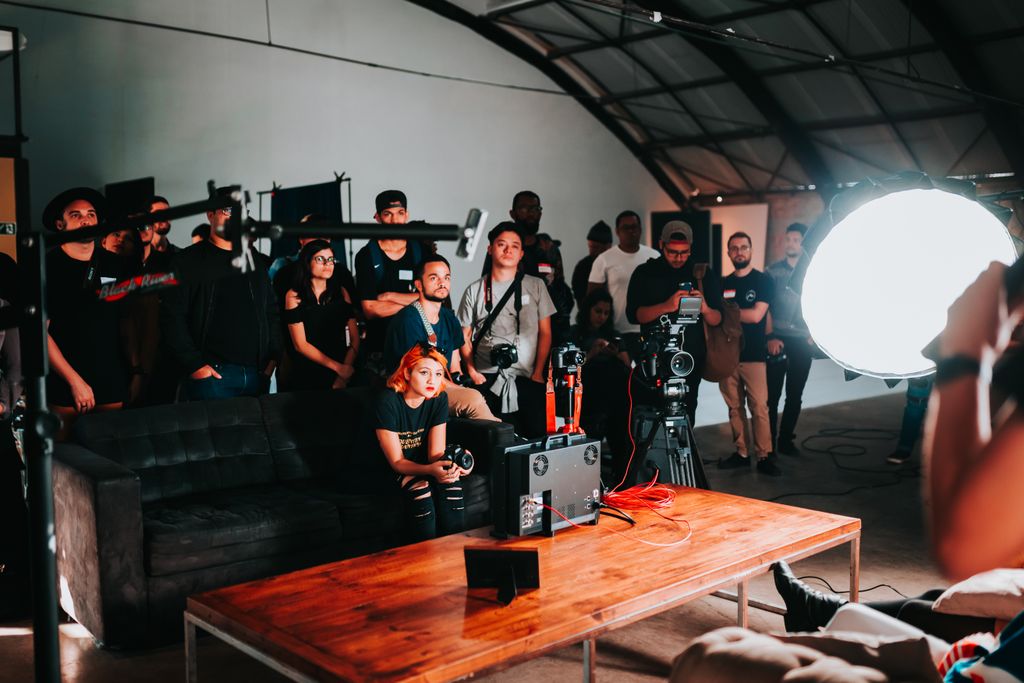
Every successful production relies on more than creativity. Whether producing a commercial, film, television programme, digital content, corporate video, photography campaign, podcast, or live event, clear legal agreements are essential to protect the interests of everyone involved.
Production projects often involve multiple stakeholders, including brands, agencies, production companies, directors, photographers, videographers, talent, freelancers, and service providers. Without well-drafted contracts, misunderstandings regarding ownership, deliverables, budgets, timelines, and intellectual property rights can quickly become costly disputes.
At Thames Legal, we advise production companies, advertising agencies, media businesses, creative studios, brands, and content creators on drafting, reviewing, and negotiating production-related agreements to help ensure projects are delivered with legal certainty and commercial confidence.
What we offer
Our Services Include
Production Agreements
Preparation and review of agreements governing commercial productions, television programmes, films, documentaries, online content, corporate videos, podcasts, and other creative projects.
Advertising and Commercial Production Contracts
Legal support for advertising campaigns, branded content, marketing productions, promotional videos, and commercial collaborations between brands, agencies, and production companies.
Photography and Videography Agreements
Drafting and reviewing contracts covering creative services, project deliverables, usage rights, copyright ownership, payment terms, and licensing arrangements.
Creative Services Agreements
Preparation of contracts for directors, producers, editors, designers, writers, stylists, makeup artists, freelancers, and other creative professionals involved in production projects.
Agency and Media Agreements
Legal advice on agreements between brands, advertising agencies, media agencies, production companies, and other commercial partners.
Event Production Agreements
Preparation and review of agreements relating to live events, exhibitions, product launches, conferences, entertainment events, and promotional activities.
Key Issues Commonly Addressed
Production and media agreements commonly cover:
- Scope of production services
- Project deliverables
- Production schedules
- Budget allocation
- Payment milestones
- Change requests
- Approval procedures
- Copyright ownership
- Licensing and content usage
- Image and talent releases
- Music licensing
- Confidentiality obligations
- Insurance responsibilities
- Production delays
- Force majeure
- Termination rights
- Liability allocation
- Dispute resolution
Clearly defining these issues at the outset helps minimise legal risk and keeps projects running smoothly.
Why Production Contracts Matter
Creative projects often involve significant financial investment, tight production schedules, and contributions from multiple parties. Without a comprehensive agreement, disputes may arise over ownership of footage, payment obligations, revisions, project delays, or commercial use of the final content.
A properly drafted production agreement helps clarify:
- Who owns the final production?
- What services are included?
- What happens if the project scope changes?
- Who is responsible for obtaining licences and permissions?
- How many revisions are included?
- What happens if the project is cancelled or postponed?
- How may the completed work be used commercially?
- Who is responsible if delays occur?
By addressing these issues early, businesses can avoid unnecessary disputes and protect both creative and commercial interests.
Common Legal Risks in Production Projects
Unclear Ownership of Creative Works
Without clear contractual terms, disputes may arise over who owns the final video, photographs, scripts, designs, or other creative assets.
Unlicensed Use of Third-Party Content
Using music, images, footage, or other materials without the necessary permissions may expose businesses to copyright infringement claims.
Scope Creep
Projects frequently expand beyond their original scope without corresponding adjustments to fees, timelines, or responsibilities.
Payment Disputes
Unclear payment schedules or milestone requirements often lead to disagreements between clients and production teams.
Delays and Project Cancellation
Contracts should clearly define how delays, cancellations, postponements, and unforeseen events will be managed.
Frequently Asked Questions
How Thames Legal Can Assist
Thames Legal provides practical legal advice for production companies, creative agencies, brands, media businesses, and content creators involved in commercial and entertainment projects.
Our team assists clients with drafting, reviewing, and negotiating agreements that clearly define commercial expectations, protect intellectual property, and minimise legal risk throughout every stage of the production process.
Whether you are producing a television commercial, launching a branded content campaign, engaging creative professionals, or managing a large-scale media production, Thames Legal can provide tailored legal support to help safeguard your project.
Related Legal Insights
- Who Owns Copyright in Commercial Productions?
- Production Agreement Checklist for Businesses
- Legal Issues Every Production Company Should Know
- Using Music and Stock Footage Legally
- Photography and Videography Contracts Explained
We’re here to help
We offer free initial consultation both online and in person. Get in touch with our experts today.
Intellectual Property for Creators
Protecting Creative Works, Digital Content, and Commercial Rights
Legal Protection for Creators, Artists, Influencers, and Creative Businesses
In today’s digital economy, creative works have become valuable business assets. Videos, photographs, music, artwork, written content, online courses, podcasts, designs, and other original creations can generate significant commercial value when properly protected.
However, digital content can also be easily copied, reused, modified, or distributed without permission. Without appropriate legal protection, creators and businesses may lose control over their intellectual property and the commercial opportunities associated with it.
At Thames Legal, we advise creators, influencers, artists, production companies, agencies, startups, and businesses on protecting, managing, and commercialising intellectual property throughout the creative lifecycle.
What we offer
Our Services Include
Copyright Protection
Advice on copyright ownership, registration strategies, licensing arrangements, enforcement, and protection of original creative works.
Trademark Protection for Personal Brands
Legal assistance with registering and protecting business names, creator brands, logos, product names, and other distinctive brand assets.
Image, Name, and Personality Rights
Advice on the commercial use of a person’s image, name, likeness, voice, and personal identity in advertising, marketing campaigns, merchandise, and digital media.
Intellectual Property Licensing
Preparation and review of licensing agreements for creative content, digital assets, artwork, photographs, videos, music, software, educational materials, and other intellectual property.
Commercialisation of Creative Assets
Strategic advice on monetising intellectual property through licensing, merchandising, sponsorships, collaborations, and other commercial arrangements.
Intellectual Property Enforcement
Legal support in responding to copyright infringement, unauthorised content use, trademark infringement, counterfeit products, and other intellectual property disputes.
Types of Intellectual Property We Commonly Advise On
We regularly assist clients in relation to:
- Videos and digital content
- Photography
- Music and sound recordings
- Graphic design
- Artwork and illustrations
- Written publications
- Online courses
- Podcasts
- Brand names
- Logos
- Product packaging
- Marketing materials
- Website content
- Software and digital assets
- Character and mascot designs
Why Intellectual Property Protection Matters
Many creators believe that because they created the content, they automatically retain all legal rights. In practice, ownership and commercial rights often depend on contractual arrangements.
Questions frequently arise such as:
- Who owns content created for a brand campaign?
- Can a client modify or edit creative work?
- May content be reused after a campaign ends?
- Who owns copyright when freelancers are involved?
- Can another business use a creator’s image or brand?
- How can a creator stop unauthorised use of their work?
Addressing these issues through appropriate legal documentation helps preserve ownership, maximise commercial value, and reduce the risk of future disputes.
Common Intellectual Property Risks
Unauthorised Content Use
Creative works may be copied, reposted, or commercially exploited without the creator’s permission.
Unclear Ownership
Multiple contributors to a project may create uncertainty regarding who owns the resulting intellectual property.
Insufficient Licensing Terms
Poorly drafted agreements may grant broader rights than originally intended or fail to define important limitations on use.
Weak Brand Protection
Failure to register trademarks or protect branding assets may expose businesses to infringement or reputational risks.
Missed Commercial Opportunities
Intellectual property is often one of a creator’s most valuable business assets and can generate ongoing revenue through licensing and strategic partnerships.
Frequently Asked Questions
How Thames Legal Can Assist
Thames Legal works with creators, artists, influencers, agencies, production companies, startups, and businesses to protect intellectual property and maximise its commercial value.
Whether you are developing a personal brand, licensing creative content, launching a new product, or responding to unauthorised use of your work, our team provides commercially focused legal advice designed to protect your creative assets and long-term business interests.
Related Legal Insights
- Who Owns Copyright in Digital Content?
- Trademark vs Copyright: What’s the Difference?
- Licensing Your Content Without Giving Away Ownership
- Protecting Your Personal Brand as a Creator
- What to Do When Someone Uses Your Content Without Permission
We’re here to help
We offer free initial consultation both online and in person. Get in touch with our experts today.
Digital Media & Advertising Law
Legal Solutions for Advertising, Digital Marketing, and Online Businesses
Helping Businesses Advertise with Confidence and Legal Compliance
Digital marketing has transformed the way businesses communicate with consumers. From influencer campaigns and social media advertising to online marketplaces and branded content, businesses now have more opportunities than ever to reach their target audiences.
However, advertising activities are subject to a wide range of legal and regulatory requirements. Businesses must ensure that marketing materials, promotional campaigns, product claims, endorsements, and online communications comply with applicable laws to reduce legal and reputational risks.
At Thames Legal, we advise brands, marketing agencies, digital platforms, influencers, startups, and businesses on advertising compliance, digital marketing regulations, consumer protection, and online commercial activities in Thailand.
What we offer
Our Services Include
Advertising Compliance Review
Legal review of advertisements, promotional materials, social media campaigns, and marketing content to assess compliance with applicable laws and regulatory requirements.
Influencer Marketing Compliance
Advice on legal responsibilities relating to sponsored content, endorsements, influencer campaigns, disclosure requirements, and contractual obligations.
Consumer Protection Advisory
Legal guidance on consumer protection laws, unfair trade practices, promotional activities, product representations, and advertising standards.
Product Claims Review
Review of advertising claims relating to food, beverages, cosmetics, dietary supplements, medical devices, wellness products, and consumer goods.
Website and E-Commerce Compliance
Preparation and review of website legal documents, including Terms and Conditions, Privacy Policies, Cookie Policies, online sales terms, and consumer disclosures.
PDPA and Digital Marketing Compliance
Advice on the collection, use, storage, and processing of personal data in connection with digital marketing, online advertising, customer databases, and marketing campaigns.
Key Issues Commonly Addressed
Businesses frequently seek advice on matters including:
- Advertising claims
- Comparative advertising
- Influencer disclosures
- Sponsored content
- Product endorsements
- Consumer promotions
- Lucky draws and giveaways
- Social media campaigns
- User-generated content
- Personal data collection
- Website compliance
- Cookies and tracking technologies
- Marketing consent
- Online consumer protection
- Platform terms and policies
- Regulatory investigations
Early legal review can help businesses launch campaigns with greater confidence while reducing the risk of complaints or regulatory action.
Why Advertising Compliance Matters
Modern advertising reaches consumers instantly through multiple digital platforms. A single campaign may involve brands, agencies, influencers, production companies, and platform providers.
Without proper legal review, businesses may face issues such as:
- Misleading advertising claims
- Regulatory investigations
- Consumer complaints
- Product claim violations
- Unauthorised use of personal data
- Intellectual property infringement
- Damage to brand reputation
- Financial penalties
Taking legal compliance into account before publication can help businesses protect both their commercial objectives and public reputation.
Common Legal Risks
Misleading Advertising
Marketing materials that exaggerate product performance or make unsupported claims may violate applicable laws.
Improper Influencer Disclosures
Sponsored content should be clearly identified where required to maintain transparency with consumers.
Unlawful Product Claims
Health, cosmetic, food, and medical product claims often require careful legal review before publication.
PDPA Non-Compliance
Improper collection or use of customer data may expose businesses to regulatory enforcement and reputational damage.
Website Compliance Issues
Many businesses operate websites without adequate legal documentation or consumer protection disclosures.
Frequently Asked Questions
How Thames Legal Can Assist
Thames Legal provides practical legal advice to businesses operating in today’s digital marketplace. We work closely with brands, agencies, creators, and online businesses to ensure that advertising campaigns, digital marketing activities, and online commercial operations comply with applicable legal requirements.
Whether you are launching a nationwide advertising campaign, engaging influencers, operating an e-commerce platform, or promoting regulated products, our team can provide commercially focused legal support to help minimise legal risk while supporting your business objectives.
Related Legal Insights
- Advertising Law in Thailand: What Businesses Need to Know
- Legal Checklist for Influencer Marketing Campaigns
- PDPA Compliance for Digital Marketing
- Giveaway and Promotional Campaign Rules
- Website Legal Documents Every Business Should Have
- Product Claims: What You Can and Cannot Say
We’re here to help
We offer free initial consultation both online and in person. Get in touch with our experts today.
Entertainment Disputes & Reputation Management
Protecting Creative Rights, Business Interests, and Professional Reputation
Legal Support When Creative and Commercial Disputes Arise
The entertainment and media industries operate in a fast-moving environment where collaborations, sponsorships, productions, and digital content are created and shared at an unprecedented pace.
While most projects proceed successfully, disputes can arise over contracts, intellectual property, payments, online publications, reputation, and commercial relationships. When disagreements occur, timely legal advice can help minimise disruption, preserve business relationships, and protect valuable rights.
At Thames Legal, we advise creators, artists, influencers, production companies, agencies, brands, and businesses on resolving disputes through practical legal strategies, negotiation, and, where necessary, formal legal proceedings.
What we offer
Our Services Include
Contract Disputes
Advice and representation in disputes arising from commercial agreements, production contracts, talent agreements, sponsorship arrangements, licensing agreements, and other entertainment-related contracts.
Copyright and Intellectual Property Disputes
Legal assistance in matters involving copyright infringement, unauthorised use of creative works, trademark infringement, licensing disputes, and protection of intellectual property rights.
Image, Name, and Personality Rights
Advice on unauthorised commercial use of a person’s image, name, likeness, voice, or personal brand across digital platforms, advertising campaigns, and promotional activities.
Online Defamation and Reputation Protection
Legal support relating to defamatory publications, false statements, harmful online content, and other issues affecting personal or corporate reputation.
Cease and Desist Letters
Preparation and review of formal legal notices requesting the cessation of infringing, defamatory, or otherwise unlawful conduct before litigation becomes necessary.
Dispute Resolution and Litigation
Representation in negotiations, mediation, arbitration, and court proceedings relating to entertainment, media, and commercial disputes.
Common Disputes We Handle
We regularly advise clients on matters involving:
- Breach of contract
- Copyright infringement
- Trademark disputes
- Unauthorised use of photographs or videos
- Misuse of image or likeness
- Non-payment of commercial fees
- Sponsorship disputes
- Talent management disputes
- Agency disputes
- Social media disputes
- Online defamation
- Brand reputation issues
- Confidential information
- Licensing disputes
- Commercial settlement negotiations
Why Early Legal Advice Matters
Many disputes become more complicated because legal advice is sought only after relationships have broken down or valuable evidence has been lost.
Early legal intervention may help:
- Preserve commercial relationships
- Protect valuable intellectual property
- Reduce financial losses
- Prevent unnecessary litigation
- Secure negotiated settlements
- Protect business continuity
- Minimise reputational damage
In many cases, a carefully prepared legal strategy can resolve disputes efficiently without the need for lengthy court proceedings.
Common Legal Risks
Social Media Publications
Online statements can spread rapidly and may expose individuals or businesses to defamation claims or reputational harm.
Unauthorised Commercial Use
Creative works, photographs, videos, and branding may be used without permission, resulting in financial and commercial loss.
Contractual Breaches
Failure to perform contractual obligations can significantly affect production schedules, marketing campaigns, and commercial relationships.
Reputation Damage
False or misleading public statements may affect business opportunities, partnerships, sponsorships, and consumer confidence.
Delayed Legal Action
Waiting too long to respond to legal issues may reduce available remedies or weaken a client’s legal position.
Frequently Asked Questions
How Thames Legal Can Assist
Thames Legal provides strategic legal support to creators, artists, influencers, agencies, brands, production companies, and businesses facing disputes in the entertainment and media industries.
We focus on protecting intellectual property, preserving commercial relationships, managing reputational risks, and resolving disputes through commercially practical and legally effective solutions.
Whether you are seeking to enforce your rights, respond to legal claims, negotiate a settlement, or pursue litigation, our team is ready to provide tailored legal advice and representation.
Related Legal Insights
- What to Do If Someone Uses Your Content Without Permission
- Online Defamation in Thailand: Your Legal Options
- Copyright Infringement: How to Protect Your Creative Works
- Cease and Desist Letters: When Should You Send One?
- Resolving Commercial Disputes Without Going to CourtWhat to Do If Someone Uses Your Content Without Permission
- Online Defamation in Thailand: Your Legal Options
- Copyright Infringement: How to Protect Your Creative Works
- Cease and Desist Letters: When Should You Send One?
- Resolving Commercial Disputes Without Going to Court
We’re here to help
We offer free initial consultation both online and in person. Get in touch with our experts today.


